

Pet Grooming 101: A Seasonal Guide for Dogs and Cats in the Philippines
From the hottest days of the dry season to muddy rainy-weather walks, a few thoughtful adjustments can help keep your pet clean, comfortable, and cared for all year.
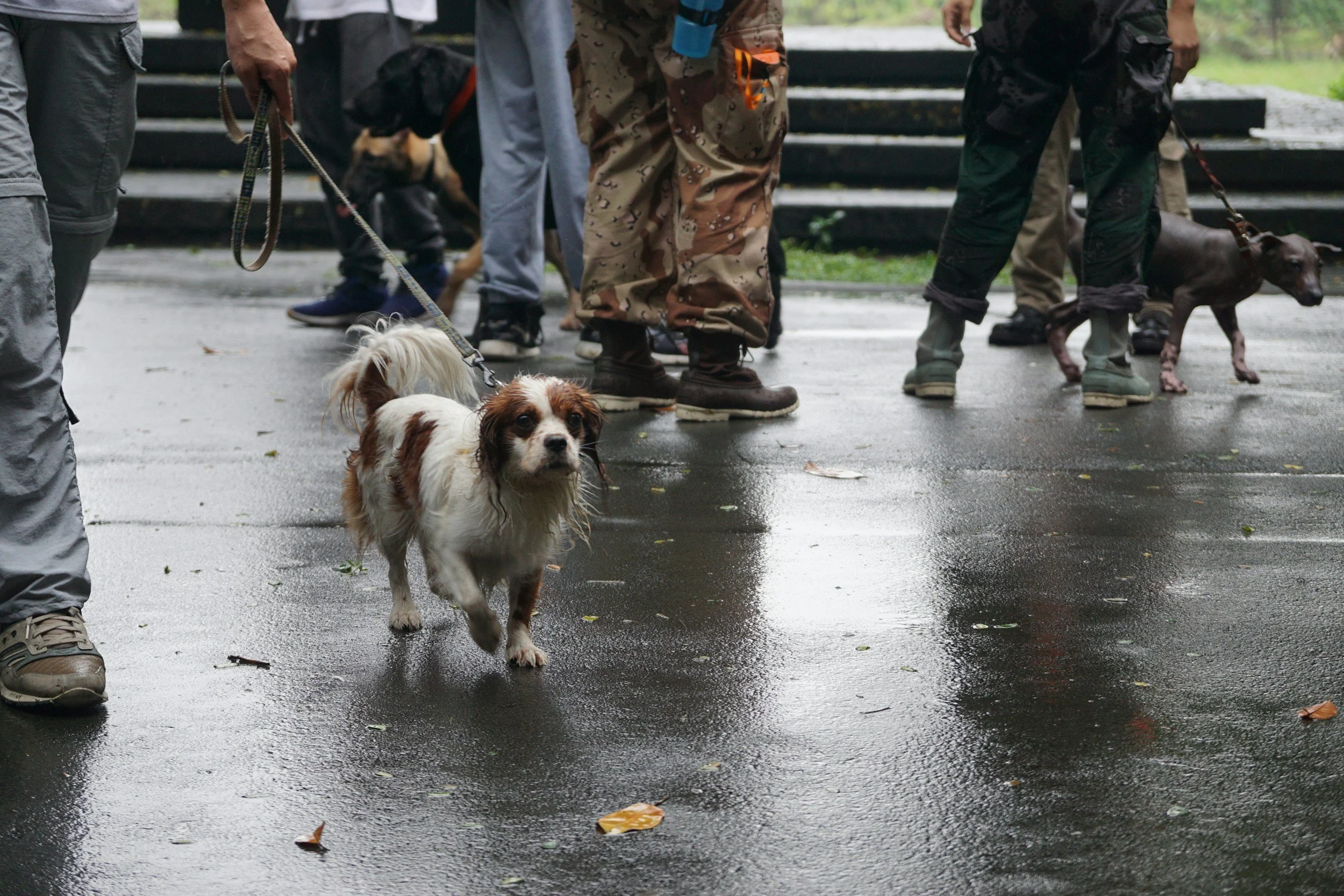
Grooming is about more than keeping your pet looking their best. It is also an opportunity to care for their coat, skin, ears, nails, and paws—and to notice changes that may need professional attention.
In the Philippines, grooming needs can shift with the heat, humidity, and rain. According to PAGASA, the country generally experiences a rainy season and a dry season, although conditions may vary by location.
This guide focuses primarily on routine grooming for dogs and cats. Other companion animals may require different care based on their species.
Here is how you can adapt your pet’s routine throughout the year.
Hot and Dry Season: Keep Them Fresh and Comfortable
Hot weather can be uncomfortable for pets, especially those with thick or double coats. Regular brushing helps remove loose fur and prevent tangles, but shaving is not always the best way to keep them cool.
Some pets rely on their coats for protection and temperature regulation. Before trimming or shaving your pet’s coat, ask a veterinarian or professional groomer what is appropriate for their breed and coat type.
Hot-Weather Grooming Checklist
Brush regularly to remove loose fur and excess undercoat.
Bathe only as needed using a pet-safe shampoo.
Keep the coat clean and free from mats.
Check the paws after walking on warm or rough surfaces.
Schedule walks during cooler parts of the day when possible.
Keep fresh drinking water within easy reach.
💡 The Paw Post Tip: Grooming can support your pet’s comfort, but it cannot prevent overheating on its own. Keep outdoor activities gentle, provide shade and water, and move your pet somewhere cooler if they appear uncomfortable.
Rainy Season: Keep Moisture and Mud Under Control
Rainy days can leave your pet’s coat and paws damp, muddy, and more prone to tangles. Moisture may also become trapped between the toes, inside skin folds, or beneath a thick coat.
After wet walks, gently clean your pet and dry them thoroughly—especially around the paws, belly, outer ears, and skin folds.
Rainy-Season Grooming Checklist
Wipe or rinse muddy paws after outdoor walks.
Dry the coat thoroughly after rain or bathing.
Brush regularly to prevent knots and mats.
Check between the toes for trapped dirt or debris.
Keep bedding and grooming tools clean and dry.
Warm, humid conditions and prolonged moisture can contribute to certain skin problems. Pay attention to any changes while cleaning and drying your pet.
Cooler and Drier Days: Watch for Dryness and Tangles
From December to February, some parts of the Philippines experience cooler, drier weather. Your pet may still need the same basic grooming routine, but changes in their skin or coat can help guide small adjustments.
Cooler-Weather Grooming Checklist
Continue brushing according to your pet’s coat type.
Avoid bathing more often than your pet needs.
Keep long coats free from tangles and mats.
Ask your veterinarian before using moisturizers or medicated products.
Not every pet will react to cooler weather in the same way. Indoor conditions, location, age, health, and coat type can all affect what feels comfortable.
Make Grooming a Positive Experience
Choose a time when your pet is calm and begin with short, gentle sessions. Praise, treats, and patience can help them develop a more positive association with being brushed, handled, or bathed.
If your pet becomes frightened or distressed, pause and try again later. Forcing a grooming session may make future handling more difficult for both of you.
You can also help your pet become comfortable with each step gradually. Let them inspect the tools, gently handle their paws and ears, and reward calm behavior before attempting a full session.
Grooming Essentials to Keep at Home
A few basic tools can make regular grooming easier:
A brush or comb suited to your pet’s coat
Pet-safe shampoo
Nail clippers or a nail grinder
An ear-cleaning solution, if recommended by your veterinarian
Clean, soft towels
Pet-safe grooming wipes, if needed
You do not need to purchase everything at once. Start with the tools your pet regularly needs and ask a veterinarian or groomer if you are unsure which products are suitable.
Avoid using human shampoo or other personal-care products unless your veterinarian specifically recommends them.
Know When to Ask for Help
Regular grooming gives you a chance to notice possible concerns, including:
Lumps or swelling
Redness, rashes, or wounds
Hair loss or bald patches
Fleas, ticks, or other parasites
Persistent scratching or licking
Unusual skin or ear odor
Pain or sensitivity when touched
Routine coat and skin checks may make these changes easier to spot, as noted inVCA Animal Hospitals’ grooming guidance (2026).
Contact your veterinarian if something looks unusual, persists, or appears to cause discomfort. For severe mats, difficult nail trimming, or a coat that requires specialized care, a professional groomer may be the safer and more comfortable choice.
Consistent Care, Whatever the Weather
Every pet has different grooming needs. Their ideal routine depends on their species, breed, coat type, age, health, lifestyle, and comfort with handling.
Rather than following a fixed schedule for every pet, pay attention to how the weather affects your companion. A little consistent care can help them feel clean, comfortable, and loved throughout the year.