

10 Simple Ways to Keep Your Dog Happy & Healthy
A healthier routine does not have to be complicated—small, consistent habits can support your dog at every stage of life.
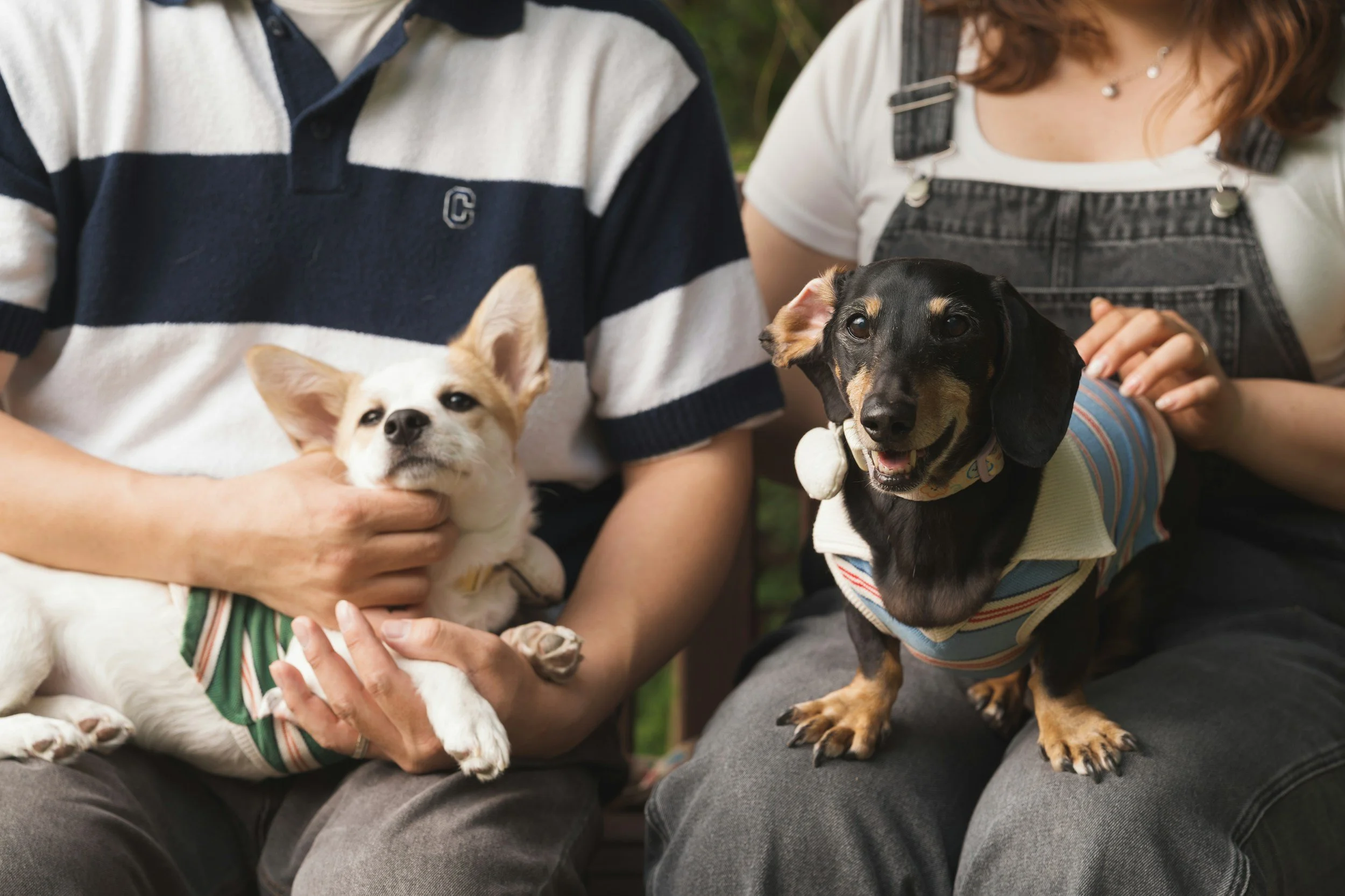
Being a great dog owner does not always require expensive products or complicated routines. Most dogs benefit from consistency, attention, and healthy daily habits. But what those habits look like will depend on each dog's age, health, abilities, lifestyle and preferences.
Here are ten simple ways to make everyday care more meaningful:
1. Feed a Complete and Balance Diet
Nutrition is an important part of your dog's health. Choose a complete and balanced food appropriate for their life stage, activity level, and individual health needs.
Follow suitable feeding portions. Treats can complement your dog’s regular diet, but they should not replace balanced meals.
Dogs with allergies, medical conditions, or prescribed diets may require more individualized recommendations.
2. Make Daily Movement a Priority
Regular movement can support a healthy weight, maintain strength and mobility, provide mental stimulation, and give your dog an appropriate outlet for their energy.
Depending on your dog's needs and abilities, this may include:
Daily walks
Games of fetch
Gentle play at home
Hiking
Swimming
Short training sessions that involve movement
Not every activity will suit every dog. Puppies, senior dogs, flat-faced breeds, and dogs with mobility or medical concerns may need shorter or gentler activities. You can schedule outdoor exercise during cooler parts of the day during hot or humid weather.
3. Keep Fresh Water Available
Keep clean, fresh drinking water available throughout the day, especially during warm weather and after physical activity.
Check the water bowl regularly and refill it whenever needed. Wash it often to keep it clean, and place it somewhere your dog can access comfortably.
Water needs may change with weather, activity, pregnancy, nursing, health, and diet. Contact your veterinarian if you notice a significant or unexplained change in how much your dog drinks.
4. Keep Up with Veterinary Visits
Routine veterinary visits may help identify health concerns earlier and give you an opportunity to review your dog’s preventive care.
Depending on your dog’s needs, your veterinarian may assess or discuss:
Weight and body condition
Dental health
Vaccination needs
Parasite prevention
Skin, coat, ears, eyes, and mobility
Age- or health-related changes
The appropriate schedule will vary. Puppies, senior dogs, and those with existing health conditions may need more frequent care.
Regular appointments also give you a chance to ask questions and adjust your dog’s routine as their needs change.
5. Care for Their Teeth
Dental care is an important but sometimes overlooked part of your dog’s routine. Regular brushing can help manage plaque and support healthier teeth and gums.
Introduce brushing gradually using a toothbrush and toothpaste made specifically for dogs. Avoid human toothpaste, which may contain ingredients that are unsafe for pets.
Daily brushing is considered the ideal routine, but start at a pace your dog can comfortably tolerate.
Dental chews and similar products may support oral care, but they do not replace brushing or veterinary dental assessment. When comparing products, look for the Veterinary Oral Health Council Seal of Acceptance, which identifies products that have met its standards for plaque or tartar control.
Supervise your dog while they chew and choose a product appropriate for their size.
6. Keep Their Mind Active
Mental stimulation can be just as valuable as physical exercise. Activities that encourage your dog to think, sniff, learn, or solve simple problems can add variety to their day.
Try options such as:
Puzzle toys
Reward-based training sessions
Snuffle mats
Hide-and-seek games
Learning new cues and skills
Scent games using familiar toys or treats
Even a short enrichment session can be worthwhile. Adjust the activity to your dog’s attention span, energy level, and abilities.
Enrichment does not need to involve expensive toys. You can practise familiar skills, hide suitable treats around a safe room, or let your dog take time to sniff during a walk.
7. Groom According to Their Needs
Routine grooming can help your dog stay clean and comfortable while giving you an opportunity to notice changes in their skin, coat, paws, or body.
Depending on your dog’s coat, health, and lifestyle, grooming may include:
Brushing or combing
Bathing as needed
Nail trimming
Coat maintenance
Checking the ears, paws, skin, and folds
Some dogs require frequent brushing or professional coat care, while others have simpler routines.
Ask your veterinarian or groomer whether your dog’s ears need cleaning and how often it should be done. Unnecessary or improper cleaning may cause irritation.
Keep grooming sessions calm and manageable. If your dog seems frightened, uncomfortable, or painful when touched, pause and seek professional guidance.
8. Give Them Love and Attention in Ways They Enjoy
Dogs are social animals, but they do not all seek interaction in the same way. Spend quality time together through play, reward-based training, affection your dog enjoys, or simply relaxing nearby.
Pay attention to their body language. Some dogs enjoy cuddling and frequent handling, while others prefer gentle companionship with more personal space.
Positive, predictable interaction can strengthen your bond and help your dog feel secure. What matters most is not constant attention, but making your time together safe and enjoyable for both of you.
9. Support a Healthy Weight
A healthy weight supports your dog’s comfort, mobility, and overall health. Carrying excess weight can place additional strain on the body and is associated with joint and metabolic concerns.
Weight management involves more than exercise alone. It may also require:
Appropriate meal portions
Moderate treats and extras
Regular activity suited to your dog
Adjustments as their age or health changes
Avoid making major changes to your dog’s diet without appropriate guidance. Your veterinarian can assess their body condition and help determine a suitable weight range and feeding plan.
10. Create a Safe, Comfortable Environment
Every dog needs a place where they can feel secure, rest comfortably, and move around safely.
Depending on your home and your dog’s needs, this may include:
A clean and comfortable resting area
Protection from heat, rain, and other weather conditions
Safe toys appropriate for their size and play style
Secure doors, gates, or fencing
A quiet place to retreat
Familiar and predictable routines
Review the environment as your dog grows older or if their mobility changes. Slippery floors, steep steps, high sleeping areas, and difficult entryways may eventually require adjustments.
Happy Dogs Thrive on Everyday Care
Keeping your dog healthy does not require perfection. Consistent care, appropriate nutrition, daily movement, preventive veterinary support, mental stimulation, and positive companionship can all contribute to a fuller and more comfortable life.
You do not need to change every part of your routine at once. Start with one or two habits that would make the most meaningful difference for your dog, then build from there.
Over time, these everyday choices can help your dog feel happier, healthier, and more connected to you.