

Why Indoor Cats Still Need Daily Enrichment
Play, climbing spaces, scratching surfaces, and small changes to your cat’s routine can make their indoor life more active and engaging.
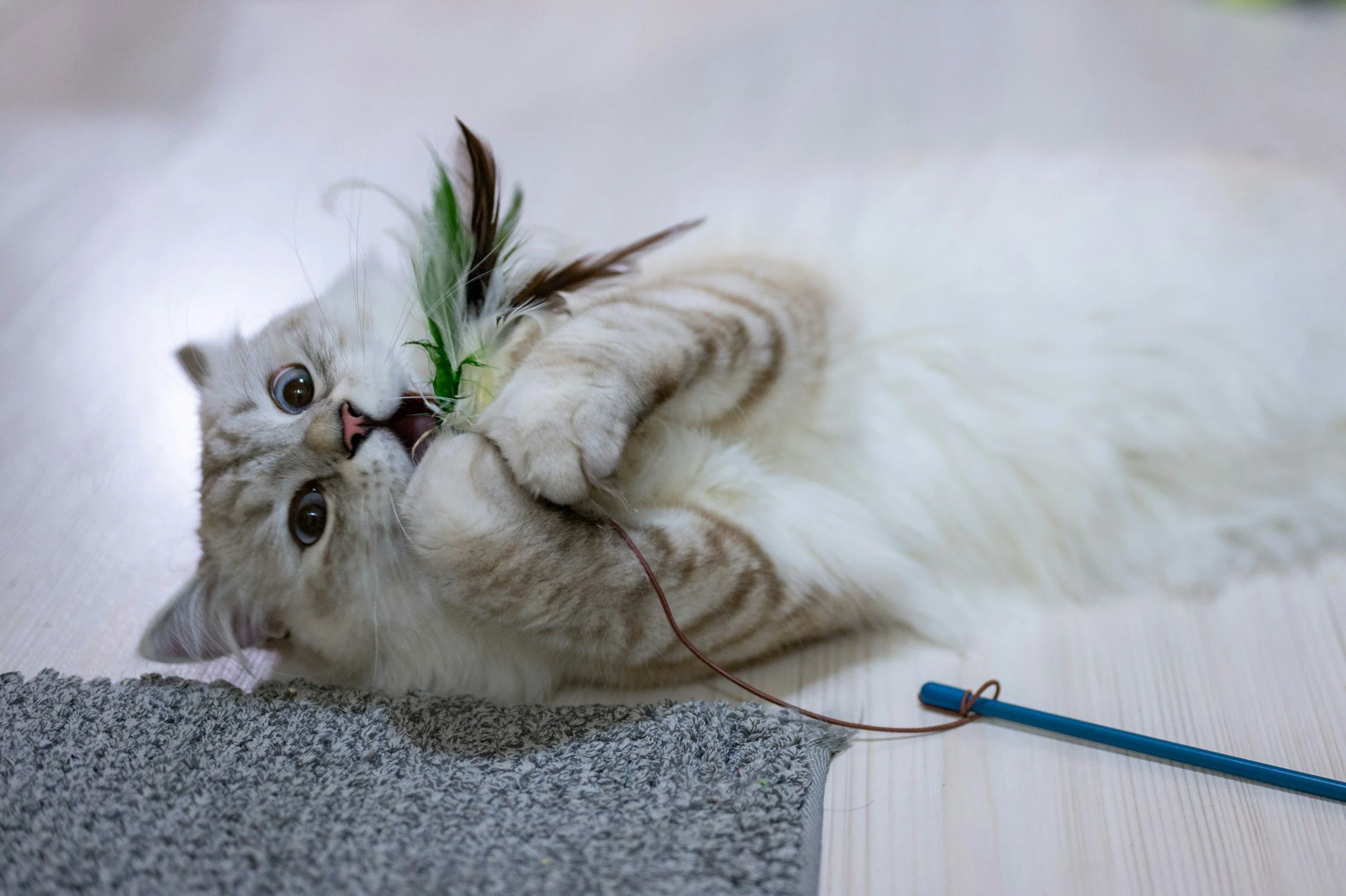
Keeping your cat indoors can protect them from outdoor risks such as traffic, predators, and disease. But physical safety is only one part of their well-being. Indoor cats still need opportunities to explore, play, rest, and express their natural instincts.
Daily enrichment helps cats stay physically active, mentally stimulated, and engaged with their surroundings. It does not have to be expensive or complicated—even small, thoughtful additions to their routine can make a meaningful difference.
What Is Enrichment?
Enrichment includes activities, interactions, and surroundings that encourage natural behaviors such as climbing, hunting, scratching, hiding, and exploring.
Without enough appropriate stimulation, some indoor cats may show signs of boredom, stress, or changes in behavior. According to the Feline Veterinary Medical Association (2024), indoor cats benefit from opportunities for play, foraging, climbing, resting, and other natural behaviors.
Because every cat has different preferences, enrichment works best when you pay attention to what makes your cat feel curious, comfortable, and secure.
Encourage Play Every Day
Cats are natural hunters, even if they never step outside. Toys that encourage stalking, chasing, and pouncing can give them an appropriate outlet for these instincts.
Try options such as:
Feather or wand toys
Toy mice
Lightweight balls
Toys that roll or make gentle sounds
Laser toys used with care
Many cats enjoy several short play sessions throughout the day. The ideal length and intensity will depend on your cat’s age, health, energy level, and interest, so let their response guide you.
If you use a laser toy, avoid directing the light toward your cat’s eyes. End the session by leading them toward a physical toy or treat they can actually catch.
💡 The Paw Post Tip: Put away toys with strings, ribbons, feathers, or small detachable parts after supervised play. This helps keep curious cats from chewing or becoming tangled in them when no one is watching.
Rotate Toys Regularly
Once you have found toys your cat enjoys, you do not need to keep all of them available at once. Cats may lose interest when the same selection remains out every day.
Store a few toys away and rotate them periodically to make familiar items feel interesting again. Safe household items, such as cardboard boxes or plain paper bags with the handles removed, can offer simple alternatives.
Always check reused materials for staples, tape, loose parts, or anything your cat could swallow.
Create Vertical Spaces
Interactive play is valuable, but enrichment should not depend entirely on your availability. Safe, permanent features around the home can give your cat opportunities to climb, explore, and observe throughout the day.
Cats often enjoy viewing their surroundings from above. Elevated areas can provide more usable territory while offering a comfortable place to watch household activity or rest.
Consider adding:
Cat trees
Wall-mounted shelves
Window perches
Stable, multi-level furniture
A sturdy chair, cleared shelf, or secure piece of furniture may also provide height, as long as your cat can climb and rest there safely.
Kittens, senior cats, and those with mobility concerns may need lower platforms or more gradual steps.
Provide Scratching Areas
Along with places to climb, cats need appropriate surfaces where they can scratch. Scratching is a normal and healthy feline behavior that allows cats to stretch, maintain their claws, and leave visual and scent marks in their environment.
Offer different orientations and textures when possible, such as:
Tall vertical scratching posts
Horizontal or angled scratchers
Cardboard scratching pads
Sisal-covered posts
Place scratchers near areas your cat already uses, including sleeping spots, entryways, or furniture they frequently approach. Some cats prefer stretching upward, while others feel more comfortable scratching along the floor.
Providing a few suitable options can help you discover what your cat naturally prefers.
Make Mealtime More Engaging
Enrichment can also become part of something your cat already does every day: eating.
Instead of serving every meal in a bowl, occasionally use a puzzle feeder or treat-dispensing toy. These encourage your cat to work through a simple challenge to access their food.
You can also hide small portions of food in safe, easy-to-find places or scatter suitable dry food across a clean surface for your cat to seek out.
Introduce feeding activities gradually and make sure your cat can successfully access their meal.
Enrichment should encourage curiosity—not make eating frustrating or difficult.
Use portions from your cat’s regular daily food allowance whenever possible so enrichment does not unintentionally lead to overfeeding. Cats with medical conditions or prescribed diets may need guidance from their veterinarian before changing how their meals are served.
Let Them Watch the World
Quieter forms of enrichment can also hold your cat’s interest throughout the day.
A secure window can offer changing sights, sounds, and movement throughout the day. Place a stable perch nearby where your cat can safely watch people, trees, birds, or activity outside.
Make sure windows and screens are secure before allowing your cat close access. If watching outdoor animals seems to leave your cat tense, frustrated, or overly fixated, offer another activity or move the perch to a calmer view.
Spend Quality Time Together
Not every enriching moment requires a toy, climbing structure, or food reward. Your attention is one of the most valuable forms of enrichment.
Whether you are playing, offering affection, brushing a cat who enjoys it, practising simple reward-based activities, or simply relaxing nearby, positive daily interaction can strengthen your bond.
Follow your cat’s cues and allow them to choose how they engage.
Give Them a Place to Retreat
After activity and interaction, your cat also needs the freedom to rest. Enrichment is not about keeping them constantly occupied—it includes giving them choices and helping them feel secure.
A cardboard box, open carrier, covered bed, or quiet corner can provide a comfortable retreat. These options are simple, affordable, and easy to place around the home.
Let your cat decide when to interact and when to have space. A quiet place of their own can be just as valuable as something new to climb, chase, or explore.
A Happier Indoor Life Starts with Enrichment
Indoor cats can live safe and fulfilling lives when their physical, behavioral, and emotional needs are considered.
Start with one or two small additions that fit naturally into your routine. Over time, observe what captures your cat’s interest and adjust their environment as their health and preferences change.
A richer indoor life can begin with something as simple as a daily game, a cardboard box, or a quiet moment together.