

Best Cat Litter Types For Better Odor Control in Your Home
Which litter is right for your cat? Compare common litter materials, their everyday tradeoffs, and the factors that can help you choose one your cat will comfortably use.
A clean litter box is one of the simplest ways to keep your cat comfortable and your home smelling fresh. But with so many types of cat litter available, finding one that effectively controls odor can take some trial and error.
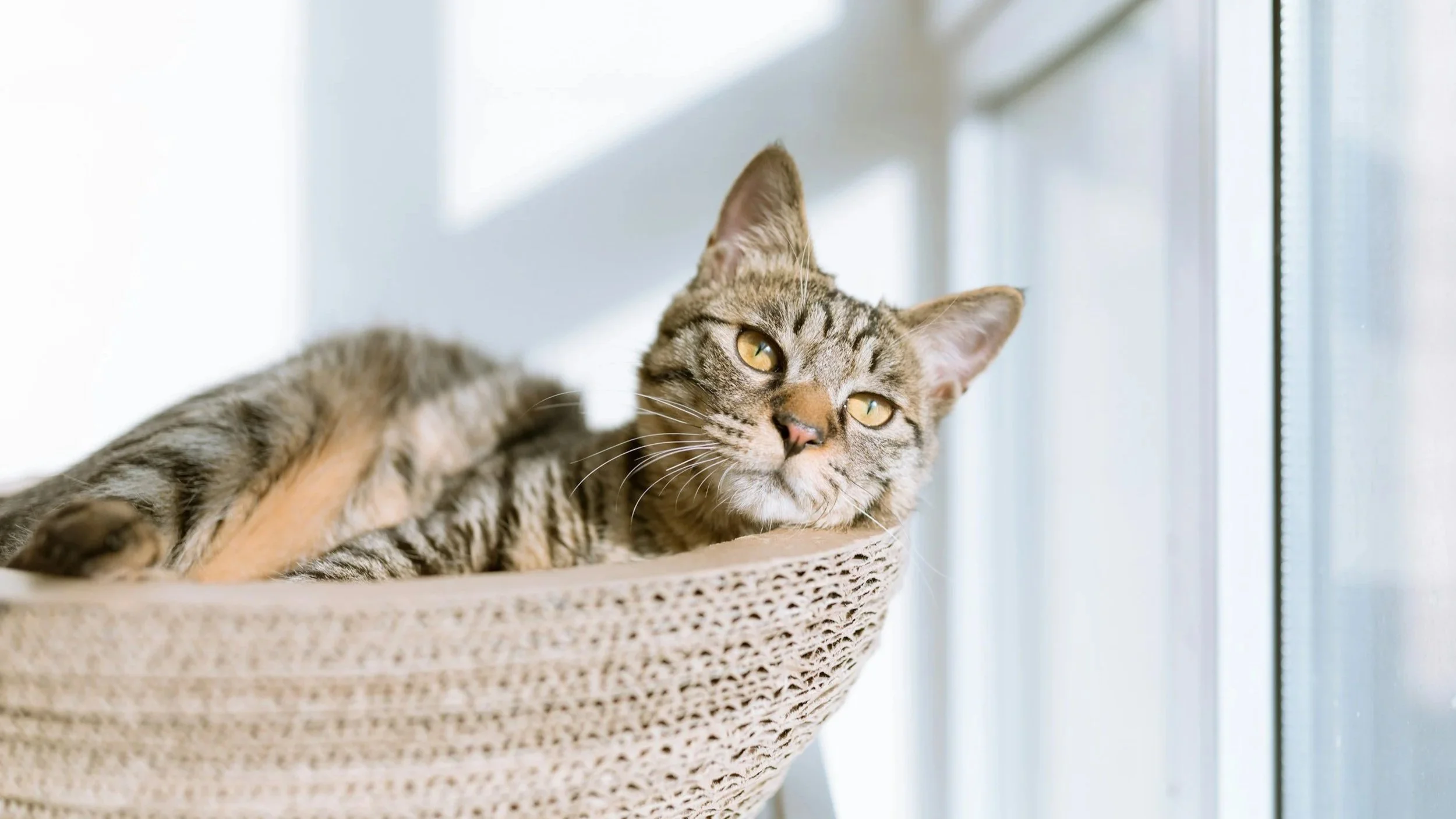
Courtesy of Unsplash Stock Images
What to Look For in an Odor-Control Litter
Odor usually begins to build when urine and feces remain in the litter box. The right litter can make waste easier to remove and help manage moisture between cleanings.
Consider the following qualities when comparing your options:
Strong absorption
Litter that absorbs urine quickly can help prevent moisture from collecting at the bottom of the box, where odors may become more noticeable.
Effective clumping
Firm clumps make urine and feces easier to remove promptly, helping keep the remaining litter cleaner.
Odor-neutralizing ingredients
Some formulas contain activated charcoal, baking soda, or other odor-absorbing materials designed to neutralize smells rather than cover them with fragrance.
Low dust
Although this does not directly control odor, a low-dust formula may make pouring, scooping, and cleaning more comfortable for both you and your cat.
A cat-friendly texture
Even a highly absorbent litter will not be a practical choice if its texture discourages your cat from using the box.
The Best Types of Cat Litter for Odor Control
Different litter materials have different strengths, so the best choice depends on both your cat’s preferences and your cleaning routine.
📝 The Paw Post Note: This guide compares general litter materials rather than individual products. Features and performance can vary by brand and formulation.
Clay Clumping Litter
Clumping clay forms solid clumps around urine, making everyday waste easier to scoop. Many formulas also contain ingredients intended to support odor control.
Consider this if: You prioritize straightforward daily scooping and want to remove soiled litter without replacing the entire box as frequently.
Clumping clay can offer practical odor management when scooped consistently. However, dust and tracking may be noticeable with some formulas, so compare these qualities when choosing a product.
Silica Crystal Litter
Silica crystal litter uses highly absorbent granules to capture moisture and help manage odor. Depending on the formula and household, it may remain effective longer between complete litter changes.
Consider this if: High moisture absorption and less frequent full litter replacement are important to you.
Texture may be the deciding factor. Some cats may not feel comfortable walking or digging on crystals, particularly if they are accustomed to a softer litter.
Tofu and Other Plant-Based Litters
Typically made from processed soybean fiber, tofu litter offers a plant-based alternative to traditional clay. Many formulas are designed to absorb moisture and form scoopable clumps.
Consider this if: You want to explore a plant-based, clumping option, including formulas available in lighter or finer-textured forms.
Clumping strength and odor control can vary between formulas. Tofu litter may also require careful storage because exposure to moisture can affect plant-based materials.
Corn and Wheat Litters
Corn- and wheat-based litters use processed plant materials to absorb moisture. Some formulas also clump, allowing soiled areas to be removed during daily cleaning
Consider this if: You prefer plant-based materials but still want a scoopable litter.
Performance can vary by formulation, particularly in clumping strength, dust, tracking, and odor control. Store the litter in a dry location and follow the manufacturer’s directions for replacement and disposal.
Wood-Based Litter
Wood litter is commonly available as pellets, granules, or clumping fibers. It absorbs moisture differently from clay and may require a different scooping or box-cleaning routine, depending on its form.
Consider this if: You prefer a wood-based absorbent and are open to a different texture and maintenance routine.
Some cats readily accept wood, while others may be less comfortable with larger or firmer pellets. If your cat currently uses a fine-textured litter, a gradual transition may help you assess their preference.
Should You Choose Scented or Unscented Litter?
A strong fragrance may make a litter box smell better to people, but that does not necessarily make it more comfortable for your cat.
Cats have a sensitive sense of smell, and some may avoid a litter box if its fragrance feels overwhelming. An unscented litter with effective moisture and odor absorption can therefore be a sensible starting point, especially for cats that appear sensitive to fragrances.
The ASPCA notes that many cats prefer clumping, unscented litter. However, individual preferences still vary.
If your cat suddenly avoids the litter box, speak with your veterinarian, especially if the change persists or is accompanied by discomfort.
So, Which Cat Litter Type Is Best for Odor Control?
There isn’t one litter that will be the best choice for every cat.
For strong, straightforward odor management, clumping clay can be a practical option. Silica crystals may appeal to owners looking for high moisture absorption, while tofu and other plant-based litters offer alternatives for those who prefer different materials.
The most important consideration is finding a litter that combines effective odor control with a texture and formula your cat will actually use.
Because when it comes to litter, the best choice isn't necessarily the one with the strongest fragrance or the biggest promise on the packaging. It's the one that keeps the box manageable for you and comfortable for your cat.
A fresher litter box starts with the right litter, but it stays fresh with the right routine.